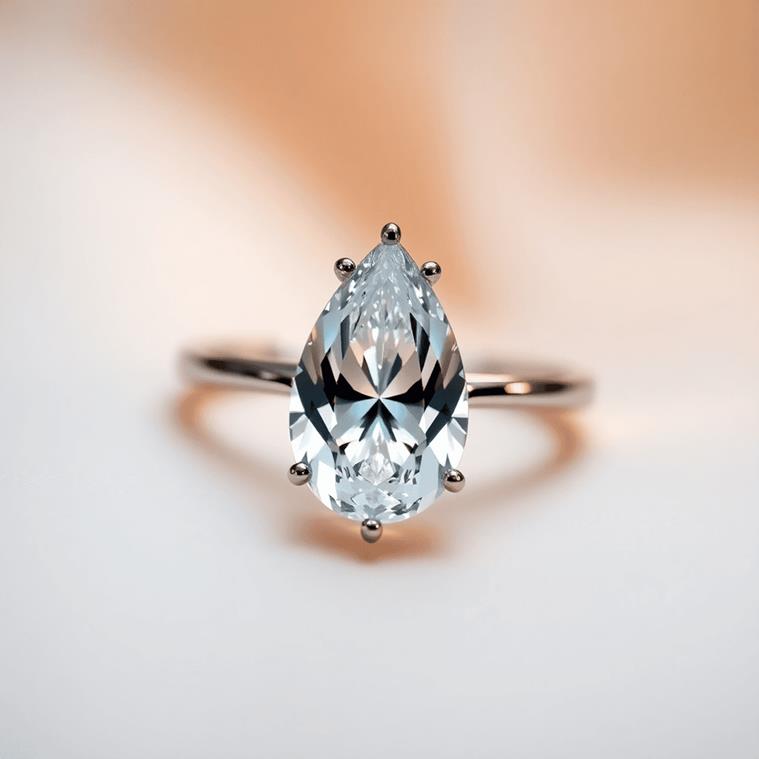
Jewelry has always been a part of human culture. It tells stories, shows style, and holds value. Some places in the world are famous for making jewelry. These places are called historic jewelry districts. They have shaped how jewelry looks today and will continue to do so. One well-known place is Hatton Garden in London. Here, you can find lab grown diamonds Hatton Garden, which are becoming very popular.
But why do these old districts still matter in today’s fashion? Let’s explore.
What Are Historic Jewelry Districts?
Historic jewelry districts are areas where many jewelers, craftsmen, and shops are close together. These districts grew over many years. They became centers of jewelry making and selling. People come to these places because they trust the quality. Hatton Garden is one such district. It has been making and selling jewelry for over 200 years.
These districts are not just about old buildings. They hold skills and traditions passed down for generations. When you buy jewelry from these places, you get more than just a product. You get history, craft, and care.
Lab Grown Diamonds in Historic Districts
Today, many jewelry districts also offer new types of products. For example, lab grown diamonds are becoming popular. Lab grown diamonds are real diamonds. But they are made in a lab, not mined from the earth. This makes them more affordable and eco-friendly.
In places like Hatton Garden, you can find many shops selling lab grown diamonds. These diamonds keep the quality and beauty of natural diamonds. But they also show how historic districts keep up with the times. They mix old traditions with new technology.
Why Do These Districts Still Shape Trends?
You might wonder why these old districts still influence jewelry styles today. Here are some reasons:
- Experience and Skill: Craftsmen in these districts have years of practice. They know how to make fine jewelry that lasts.
- Trusted Quality: Buyers trust jewelry from these places. They know the pieces are real and well-made.
- Innovation with Tradition: These districts combine old styles with new ideas. Lab grown diamonds are a good example.
- Big Selection: Many shops in one place mean more choices. Customers can find unique pieces or trendy designs easily.
- Influence on Designers: New jewelry makers visit these districts. They learn from the masters and bring fresh ideas.
How History Shapes Jewelry Design
Historic jewelry districts have many old designs. Some styles have been popular for hundreds of years. These designs often come back in fashion. Designers take old shapes and add new touches. This mix keeps jewelry fresh and interesting.
For example, Victorian and Art Deco styles often inspire modern jewelry. These styles use patterns, shapes, and colors that still look beautiful today. By studying history, designers create pieces that feel timeless.
The Role of Lab Grown Diamonds
Lab grown diamonds are changing the jewelry world. They are created with science but look like natural diamonds. Many people choose them because they cost less and help the environment.
Historic districts like Hatton Garden are important places to buy these diamonds. They show how tradition and modern choices can work together. This helps keep the jewelry business strong and ready for the future.
Economic Impact of Jewelry Districts
Jewelry districts also help cities and communities grow. They create jobs for many people. From designers to shop owners, many earn their living here.
Tourists visit these districts to see the shops and buy jewelry. This brings money to local businesses like cafes and hotels. The history and craft attract visitors from around the world.
Learning and Passing Down Skills
One reason historic districts still matter is education. Older jewelers teach younger ones. They show how to work with metals, stones, and designs. This passing down of skills keeps the craft alive.
Without these districts, many skills might be lost. They keep the art of jewelry making alive and growing.
How Customers Benefit
Shopping in historic jewelry districts means getting quality and choice. Customers can see and touch jewelry before buying. They can ask questions and get advice from experts.
Also, many shops offer custom-made pieces. This means you can get jewelry made just for you. This personal touch is hard to find elsewhere.
Conclusion
Historic jewelry districts like Hatton Garden still shape today’s trends. They offer a mix of history, skill, and new ideas. The rise of lab grown diamonds shows how these districts adapt to modern times. They keep traditions alive while welcoming change.
These districts matter because they bring quality, choice, and trust. They help designers create new styles with old inspiration. They support local economies and teach important skills.
