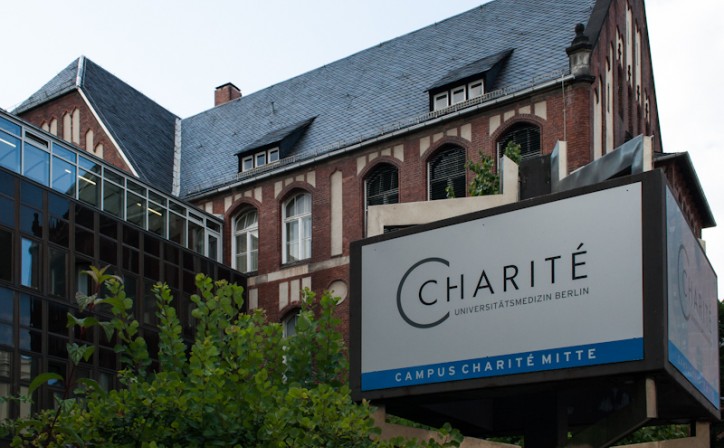
Charité Hospital, located in Berlin, is one of Europe’s largest and most renowned university hospitals. Established in the early 18th century, Charité has a long-standing reputation for excellence in medical care, research, and education. As a prominent center for healthcare in Germany and beyond, it attracts patients from around the world. This article provides an overview of charite hospital in Berlin, including its history, specialties, facilities, and contributions to medical science.
History of Charité Hospital
- Founding: Charité was founded in 1710 as a royal hospital for the poor and sick. Its name, meaning “charity” in French, reflects its original mission to provide care for those in need.
- Growth and Expansion: Over the centuries, Charité evolved into a major medical institution, expanding its facilities and services. In 1945, it was divided into two hospitals during the post-war period, with one part located in East Berlin and the other in West Berlin.
- Reunification: After the fall of the Berlin Wall in 1989, Charité was reunified, and in 2003, it merged with the Virchow Clinic and the Humboldt University Medical School, becoming a leading academic medical center.
Structure and Facilities
Charité Hospital operates multiple campuses across Berlin, providing comprehensive healthcare services and specialized treatments:
1. Campus Mitte
- Location: Situated in the heart of Berlin, this campus is the original site of Charité.
- Facilities: It houses several specialized departments, including surgery, internal medicine, and pediatrics.
- Research Center: Campus Mitte is also home to advanced research facilities focused on various medical fields.
2. Campus Virchow-Klinikum
- Focus: This campus emphasizes patient care and medical training, offering a wide range of services, including emergency care and specialized surgeries.
- Community Care: It is known for its dedication to community health, providing outpatient services and rehabilitation.
3. Campus Benjamin Franklin
- Specialties: Focused on outpatient and inpatient care, this campus specializes in surgery, obstetrics, and gynecology.
- Educational Programs: It serves as a training ground for medical students and residents, integrating education with clinical practice.
Specialties and Services
Charité Hospital is recognized for its diverse range of medical specialties and services:
1. Oncology
- Comprehensive Cancer Care: Charité’s oncology department offers advanced treatments for various types of cancer, including chemotherapy, radiation therapy, and surgical interventions.
- Multidisciplinary Teams: Care is provided by teams of specialists, ensuring personalized treatment plans for patients.
2. Cardiology
- Heart Health Services: The cardiology department is equipped to handle a range of cardiovascular conditions, offering diagnostic testing, interventional procedures, and cardiac rehabilitation.
- Innovative Treatments: Charité is at the forefront of research in cardiac care, utilizing cutting-edge technology and techniques.
3. Neurology and Neurosurgery
- Advanced Diagnostics: Charité is known for its expertise in treating neurological disorders, utilizing advanced imaging and diagnostic tools.
- Surgical Interventions: The neurosurgery department performs complex surgeries, including brain and spinal procedures.
4. Gastroenterology
- Digestive Health Services: The gastroenterology department offers comprehensive care for gastrointestinal disorders, including inflammatory bowel disease and liver diseases.
- Endoscopic Procedures: Charité is equipped with state-of-the-art facilities for minimally invasive procedures.
5. Pediatrics
- Child Health Services: Charité’s pediatric department provides specialized care for children, ranging from routine check-ups to complex medical conditions.
- Child-Friendly Environment: The hospital focuses on creating a supportive environment for young patients and their families.
Research and Education
As a leading academic medical center, Charité is heavily involved in research and education:
1. Research Initiatives
- Clinical Trials: Charité conducts numerous clinical trials, contributing to advancements in various medical fields.
- Collaborative Research: The hospital collaborates with universities and research institutions globally, fostering innovation in healthcare.
2. Medical Education
- Training Programs: Charité offers comprehensive training programs for medical students, residents, and healthcare professionals.
- Continuing Education: The institution emphasizes lifelong learning, providing opportunities for healthcare professionals to enhance their skills and knowledge.
Patient Care and Accessibility
Charité Hospital prioritizes patient care and accessibility:
1. Multilingual Services
- Language Support: To accommodate international patients, Charité provides multilingual services, ensuring clear communication and understanding.
2. Patient-Centered Approach
- Holistic Care: Charité focuses on providing holistic care, addressing not only medical needs but also psychological and emotional support for patients and their families.
- Patient Feedback: The hospital actively seeks patient feedback to improve services and enhance the overall experience.
3. Health Insurance
- Coverage Options: Charité accepts various health insurance plans, making it accessible to a wide range of patients.
Conclusion
Charité Hospital stands as a beacon of excellence in healthcare, education, and research in Germany and beyond. With its rich history, advanced medical facilities, and commitment to patient care, Charité continues to lead in various medical specialties. The hospital’s integration of research and education ensures that it remains at the forefront of medical innovation, providing high-quality care to patients from around the world. Whether seeking specialized treatments or participating in groundbreaking research, Charité Hospital is a premier destination for healthcare excellence.
